Site
Clayport
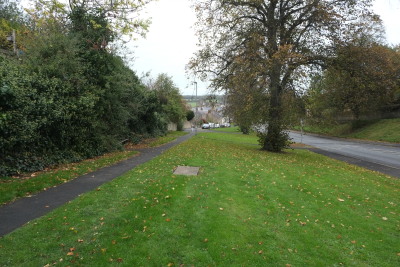
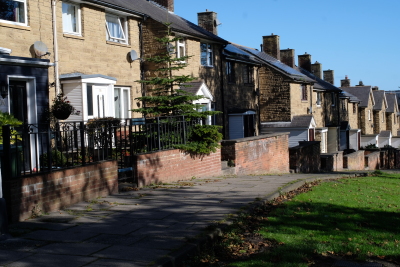
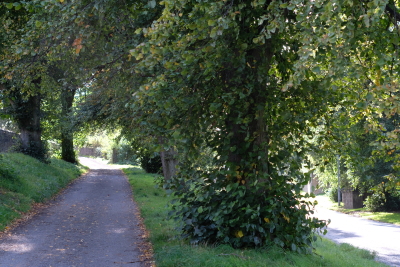
Davison: Clayport which is the entrance into the town from the west is now a most excellent street in consequence of the clumsy old gate having been removed a few years ago Before the erection of the Town hall the burgesses held their public meetings in this tower It was afterwards converted into a poor house and for some time used as a cotton manufactory Four small square stones with the initial T are all that remain to point out its original situation and extent Near the foot of the street on the south side is a chapel belonging to the Methodists in connexion with the late Rev John Wesley MA
Tate: Clayport extends from St. Michael's Pant to the western extremity of the town.vMr Ralph Carr, one of our ablest etymologists, is inclined to think that it had been called Cliveport by our ancestors, on account of its .steepness; from cliff, A.S. a steep or difficult path. Old evidences do not, howover, support thia view. In Durham there is a street called Claypworthe in 1282, Clayporthe in I366, Clayport in 1372. The earliest form of the Alnwick street is Clapott in 1474 and 1611, Claport in 1618, Claport extra porta in 1649, Clayporth in 1666, and Clayport in 1709. During the last half century, at least, the name has been popularly pronounced Claypeth, which was, I suspect, originally applied to the steep hill beyond the street. Peth, in the north, is a steep road, but used generally with some definite to mark its special character ; we have the peth, with the emphatic article to denote its great steepness ; the Far Peth, Stoney Peth, and Brankspeth ; and as stoney indicates a rocky so clay expresses a clayey or muddy character. Claypeth probably was the name till the erection of the tower, when with the genteel it was changed into Clayport, while ordinary people still preserved its old designation. Midway up the street the site of the old tower is marked by oblong, squared paving stones ; on the south side is an old house, with mullioned windows and a worn and defaced heraldic device, which was given by Mark Forster to the church; and further down is the United Secession Church, opposite to which is another quaint old inn, carrying us back, with its projecting bay window, some century and a half.